Archangel Sandalphon and the Crown of Prayers
The archangel Sandalphon is a figure in rabbinic tradition. In the tractate Hagiga of the Babylonian Talmud, he stands behind the divine chariot and braids crowns for his Creator. The image gives concrete form to his role in the passage.
A story in the Shemot Rabba links the crown to prayer. An angel gathers the prayers spoken by several assemblies and makes crowns from them. These two passages help us understand the reading that associates Sandalphon with the motif of the crown and with the attention paid to words.
Where can Sandalphon be found in the Talmud?
The name Sandalphon, also transcribed as Sandalfon, appears on folio 13b of the tractate Hagiga. The passage describes him by his position and by his action. He stands behind the divine chariot and prepares crowns. The statement of his name allows us to link these details to a specific figure.
The meaning of Sandalphon in this passage is largely tied to this action. The figure is shown shaping something. The text gives him a special place in the scene, which helps us understand the importance of the crown motif in the readings of this figure.
To find the scene in a translation, look for the tractate and the folio number. Hagiga, Chagigah, and Hagigah are spellings that can be found in different editions. The 13b reference allows you to find the same location regardless of the transcription of the title.
The braided crown, the central motif

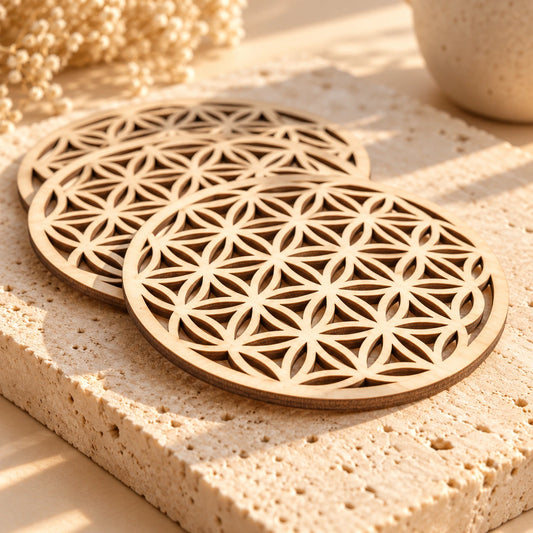
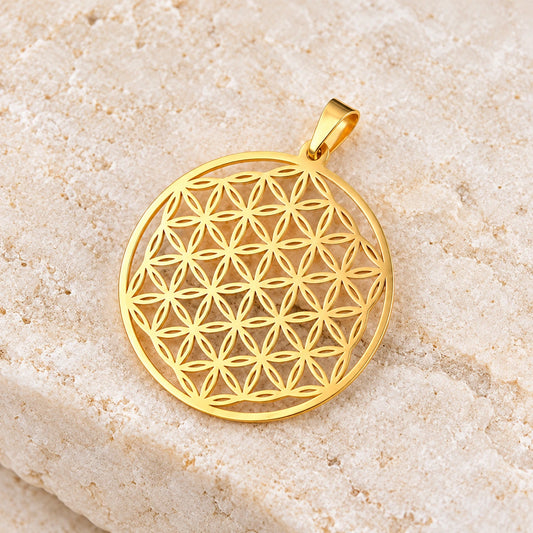
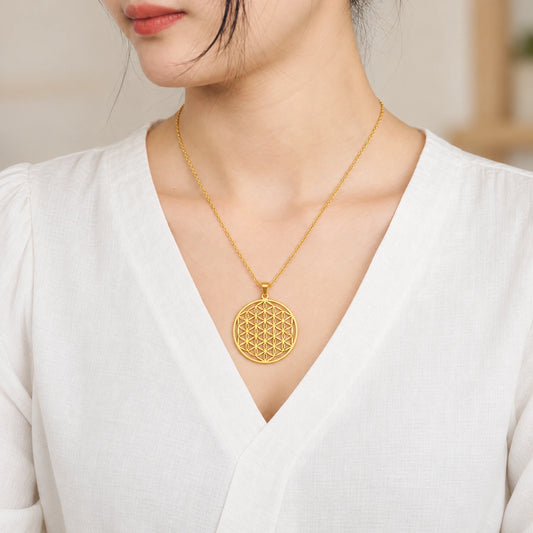
The crown of Sandalphon is first understood through the action of braiding. Several strands intertwine and take the shape of a circle. The illustration highlights this work of composition from distinct threads. It offers a visual way to imagine the action described in the text.
The circular shape draws the eye to the continuity of the braid. You can follow one strand, then see how it passes under or over the others. This way of observing gives concrete meaning to the image of gathered words, which appears in the story about the prayers of the assemblies.
If you discover a crown in a religious image, look at who it is intended for, who wears it, and how it appears in the scene. The role of the object depends on these details. A crown prepared or offered evokes a different action from a crown worn.
Why associate Sandalphon with prayer?
The Shemot Rabba, in chapter 21, passage 4, describes several assemblies praying one after another. The angel in charge of the prayers gathers them, shapes them into crowns, and presents them to God. The scene makes the words spoken at different times the material of the same work.
The connection between Sandalphon and prayer is based on the shared motif of the crown. In Hagiga, Sandalphon is named and braids for his Creator. In the passage from the Shemot Rabba, the angel is described by his charge and the material of the crown is specified. Reading both allows us to see how the theme develops.
This image also makes room for the collective dimension of prayer. The assemblies speak one after another. The gathering comes next. The order of the story gives each its moment and makes visible the bond created between them by the action of the angel.
How to recognize this reading in another text?
Note the words that recur around the name. In a text that quotes the Talmud, look for the position of the angel and his action. In an evocation of the crown of prayers, see if the author describes gathered words, an offering, or a collective scene. You will be able to identify the part of the story to which it refers.
Some commentaries use contemporary vocabulary, such as listening or intention. They extend the original image by relating it to a current experience. You can read these proposals alongside the rabbinic text to see which details they preserve and which they develop.
To share an interpretation with another person, first tell the scene in a few words. The idea of the angel braiding crowns gives a clear image. You can then explain what this image evokes for you, for example, the attention paid to words that we take the time to formulate.
The story of the Shemot Rabba draws on a psalm addressed to the one who hears prayer. The commentary links the vocabulary of the verse to that of adornment. This work on words is part of the construction of the passage and allows us to follow the path that leads to the image of the crown.
Making room for the image of the braid
In a moment of reflection, the symbol of the braided crown can invite us to gather several intentions. Think of a person, a wish, and something for which you feel gratitude. You can write them on three lines and read them together. The braid then serves as an image for this connection.
You can also keep the collective dimension of the story. If several people wish to write a sentence each, gather the sentences after each has taken their time. The action takes up the order that gives strength to the passage from the Shemot Rabba, where the words arrive successively before being united.
If you prefer a more discreet practice, simply keep the image in mind during a time of silence. The crown reminds us that several words or intentions can find their place in the same moment of reflection.
Discovering other angelic compositions
Engraved jewelry offers another way to look at how elements come together. The 7 Archangels Pendant with a silver finish presents a collective motif surrounded by zircons. The engravings occupy the center of the piece and the border gives a visual frame to the whole.

The collection of sacred symbol and protection jewelry allows us to compare several ways of composing a motif. Observe the placement of the inscriptions, the shape of the border, and the contrast of the engraving if you are looking for a design that reveals itself up close.
FAQ – Frequently Asked Questions about Archangel Sandalphon
Which text names Sandalphon?
The tractate Hagiga of the Babylonian Talmud names Sandalphon on folio 13b. He is presented there braiding crowns for his Creator.
Which symbol is associated with Sandalphon?
The braided crown is the reference most directly linked to the Talmudic scene. The action of braiding helps us understand his place in the story.
Where does the image of prayers turned into crowns come from?
The Shemot Rabba describes an angel who gathers the prayers of several assemblies and transforms them into crowns. The motif joins that of braiding in the passage about Sandalphon.
Why do we also see the name Sandalfon?
Sandalfon is another transcription of the name. The title of the tractate and folio 13b allow us to find the passage in several translations.
A crown that takes shape through braiding
The archangel Sandalphon is recognized in this story by his action. The crowns give him a precise place in the scene. Their connection with the gathered prayers offers an image of distinct words that we bring together with attention.